
Students often start by picking a country and then look for a university inside it. That is the wrong way round, and it is how people end up at a weak university in a popular country.
What actually varies between countries
Cost. Tuition and living costs differ a great deal. China's medical programmes generally sit between ¥24,000 and ¥33,000 a year including hostel, which is competitive against most destinations.
Clinical exposure. How much time you spend in a real hospital, with real patients, varies enormously — between countries and between universities inside the same country. Ask about the teaching hospitals specifically.
Language of teaching. English-medium programmes exist in several countries. Check whether the clinical years are also in English, or whether they switch to the local language once you reach the wards. In China they generally require Chinese for clinical work, which is why HSK matters.
Recognition. Whether the degree is accepted by the regulator where you intend to practise. This is the one that ends careers when it is got wrong.
China and Russia, side by side
Russia is the other destination students ask us about most. This is our comparison of the two.
- Tuition and living costs. China is more affordable. Russia is relatively higher.
- Hospitals and clinical exposure. China has modern hospitals and strong clinical exposure. Clinical exposure is limited at some Russian universities.
- English-taught programmes. China offers a wide range of them. English-medium programmes in Russia are limited.
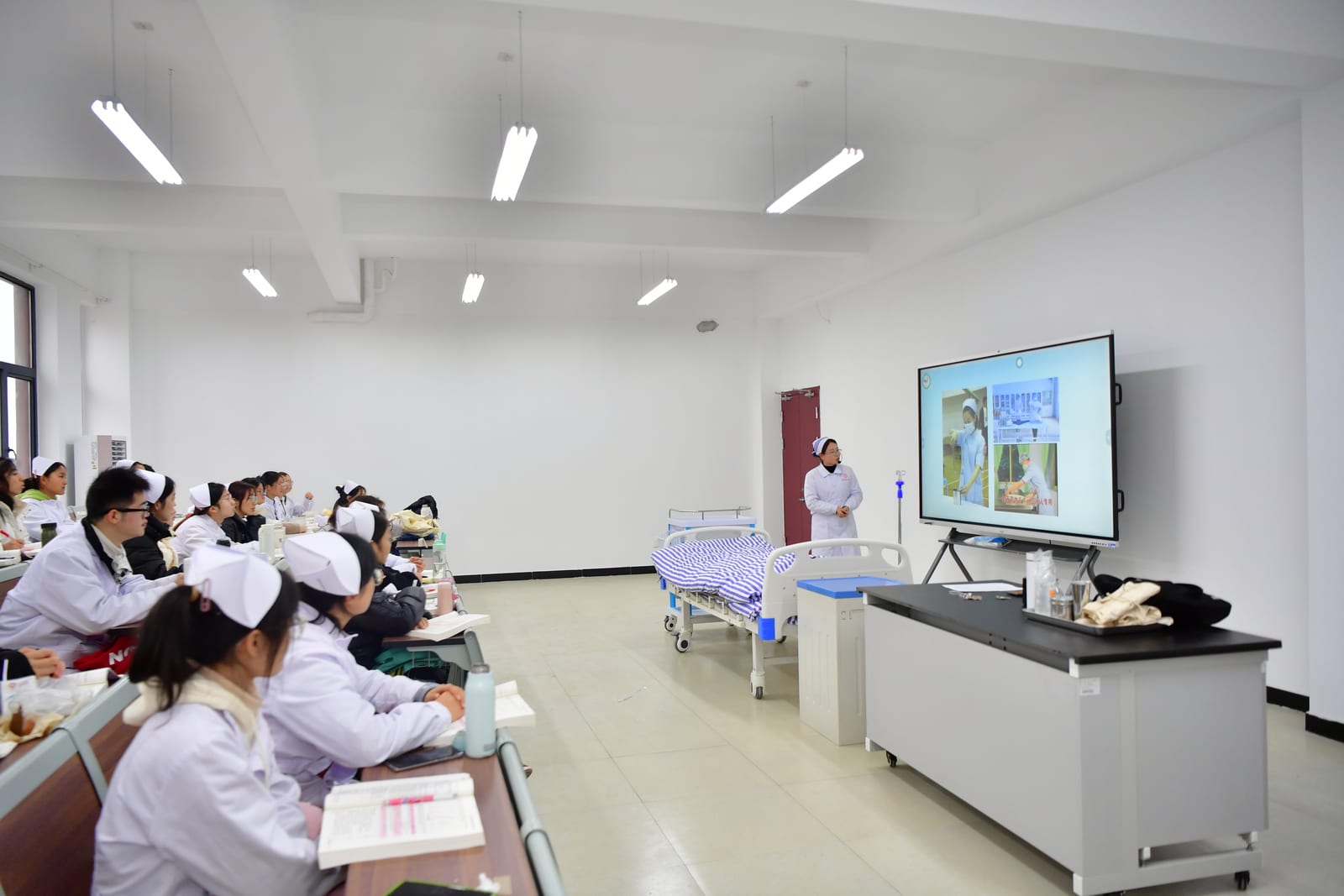
- Infrastructure and learning facilities. China has advanced laboratories, smart classrooms and modern facilities. Many Russian universities have outdated facilities.
- Safety and student environment. China is safe and student-friendly. In Russia, students face language and climate challenges.
For most of the students we place, China is an excellent option. But the country is still the smaller half of the decision.
The question that matters more than the country
Which university, and is it recognised where you want to work?
A strong university in a less fashionable country beats a weak one in a popular destination, every time. Before you commit anywhere:
- Verify the university's recognition and accreditation yourself
- Ask what clinical training actually looks like in years four to six
- Check the licensing rules in the country where you plan to practise, with the regulator, not with an agent
Where China fits
China's case is affordability, modern teaching hospitals, a wide range of English-taught programmes, and large well-equipped campuses. Its trade-off is that you will need Chinese for clinical work, and that recognition varies by university — which is exactly why we show you the listing before you apply.
That is not an argument that China is right for everyone. If your marks, budget or plans point somewhere else, we will tell you.
Still not sure how this applies to you?
Every university sets its own rules and they change between intakes. Send us your situation and we will give you the specific answer, not the general one.