MBBSScholarship
MBBS — Clinical Medicine
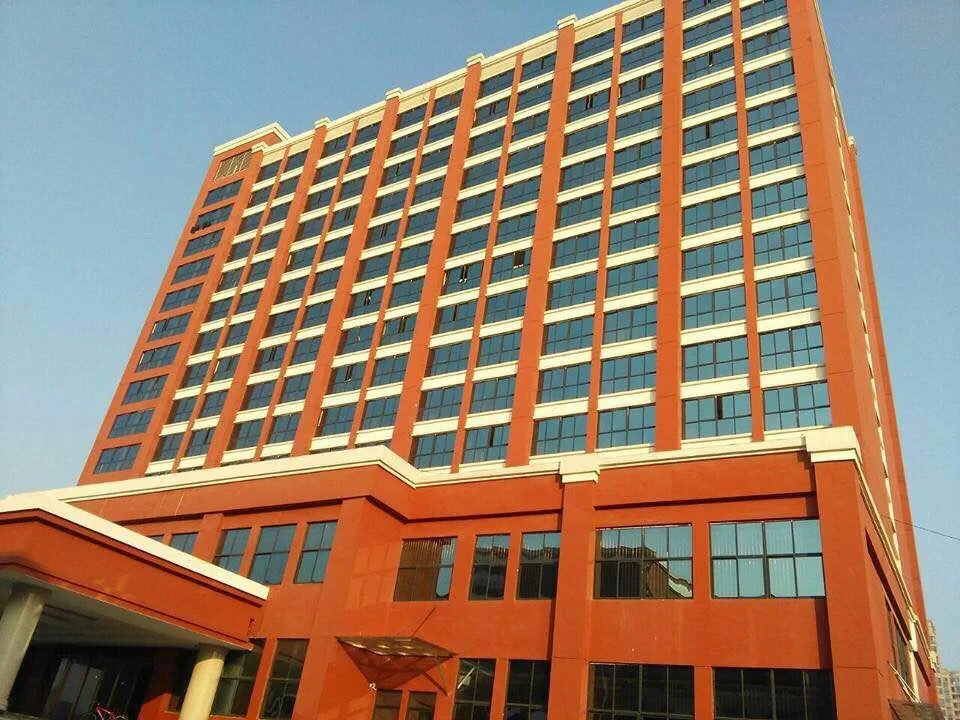
Yichun University
- Yichun, Jiangxi
- September 2026
- 5 + 1 years, including internship
First year
¥26,500
≈ $3,975
Scholarships
Every programme below carries a scholarship — some fully funded, some partial. The fees are written down on each one, and we will tell you honestly which you have a real chance at.
Yichun University
First year
¥26,500
≈ $3,975
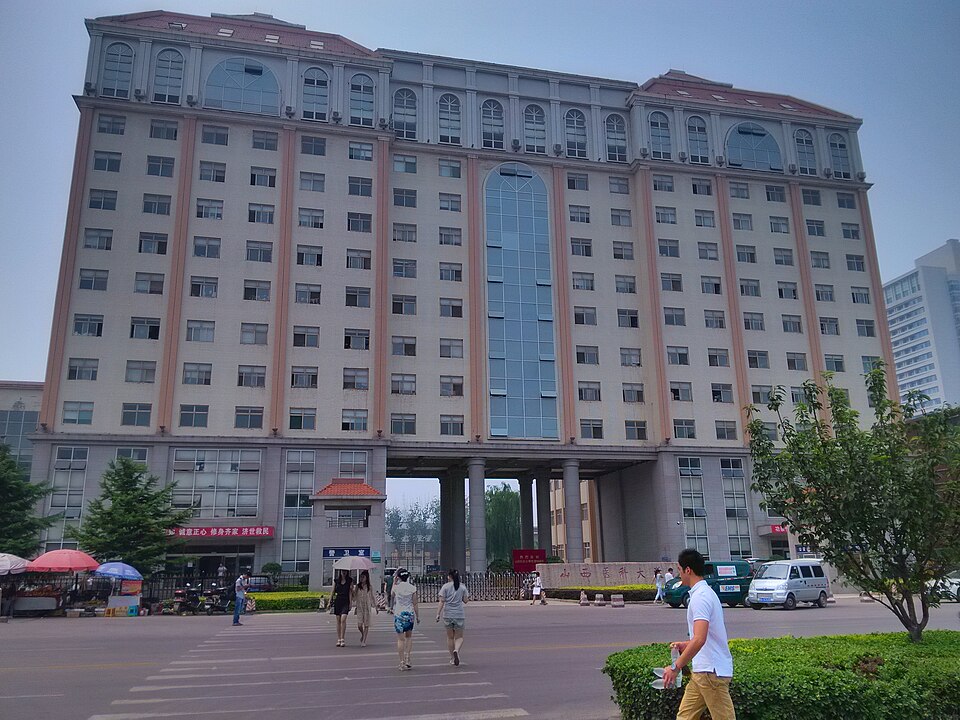
Shanxi Medical University
First year
On request
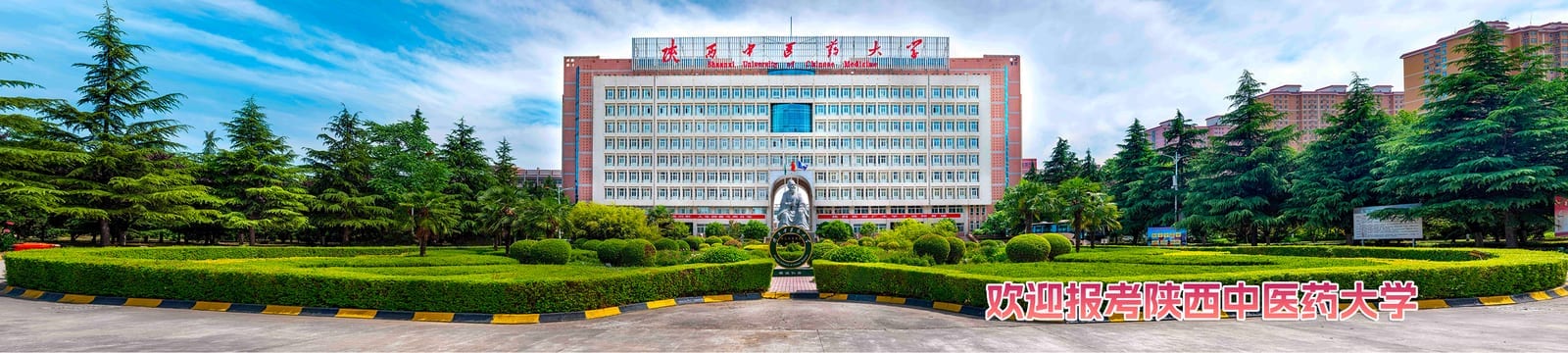
Shaanxi University of Chinese Medicine
First year
¥39,150
≈ $5,873
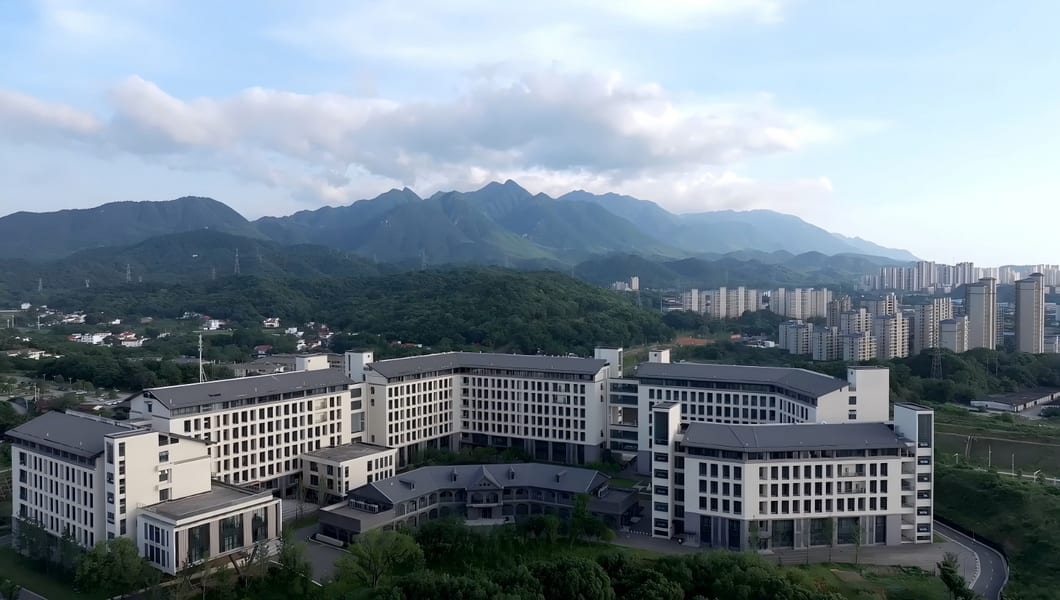
Jiujiang University
First year
¥25,100
≈ $3,765
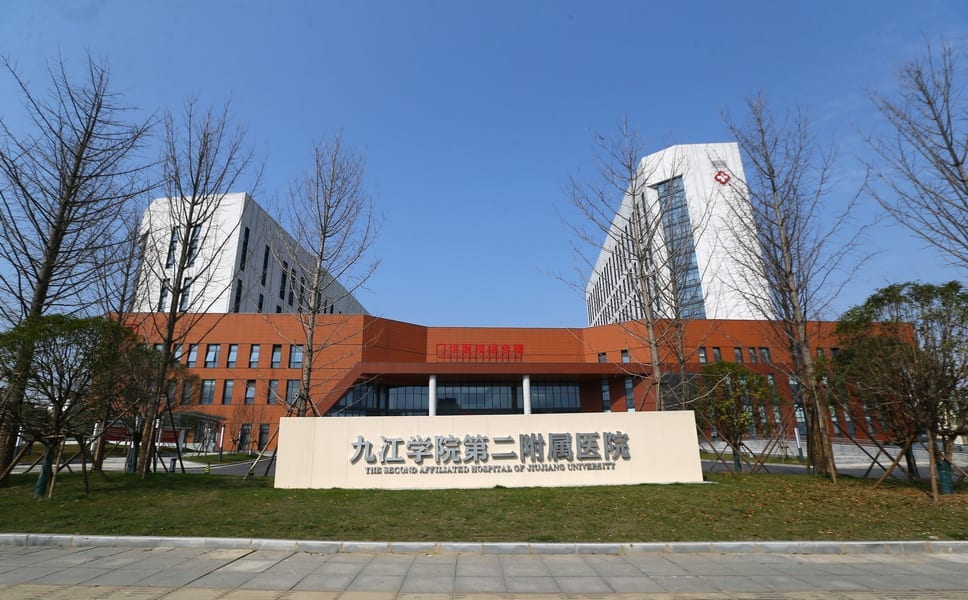
Jiujiang University
First year
¥37,000
≈ $5,550
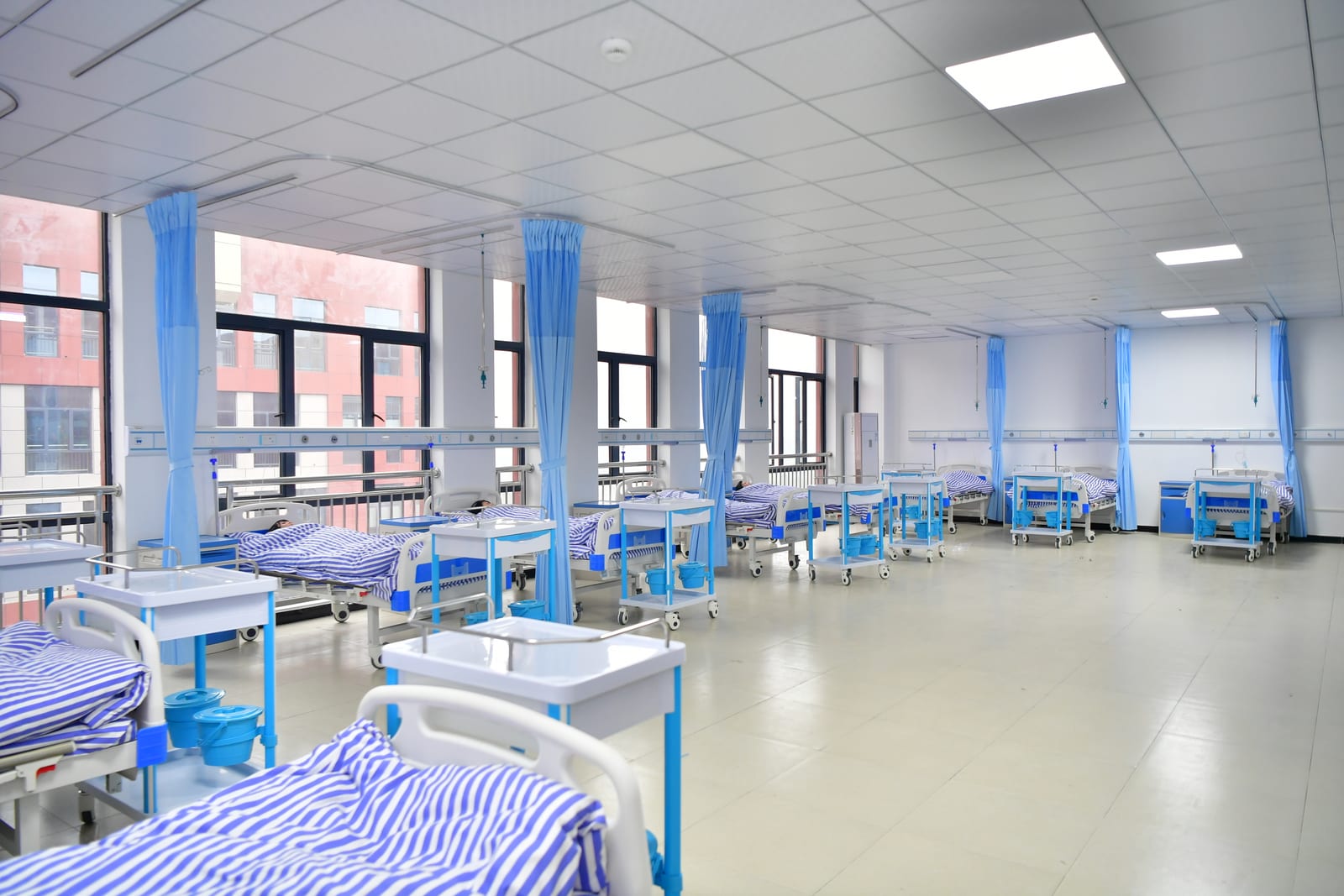
Partner universities
Cost to you
Fully funded
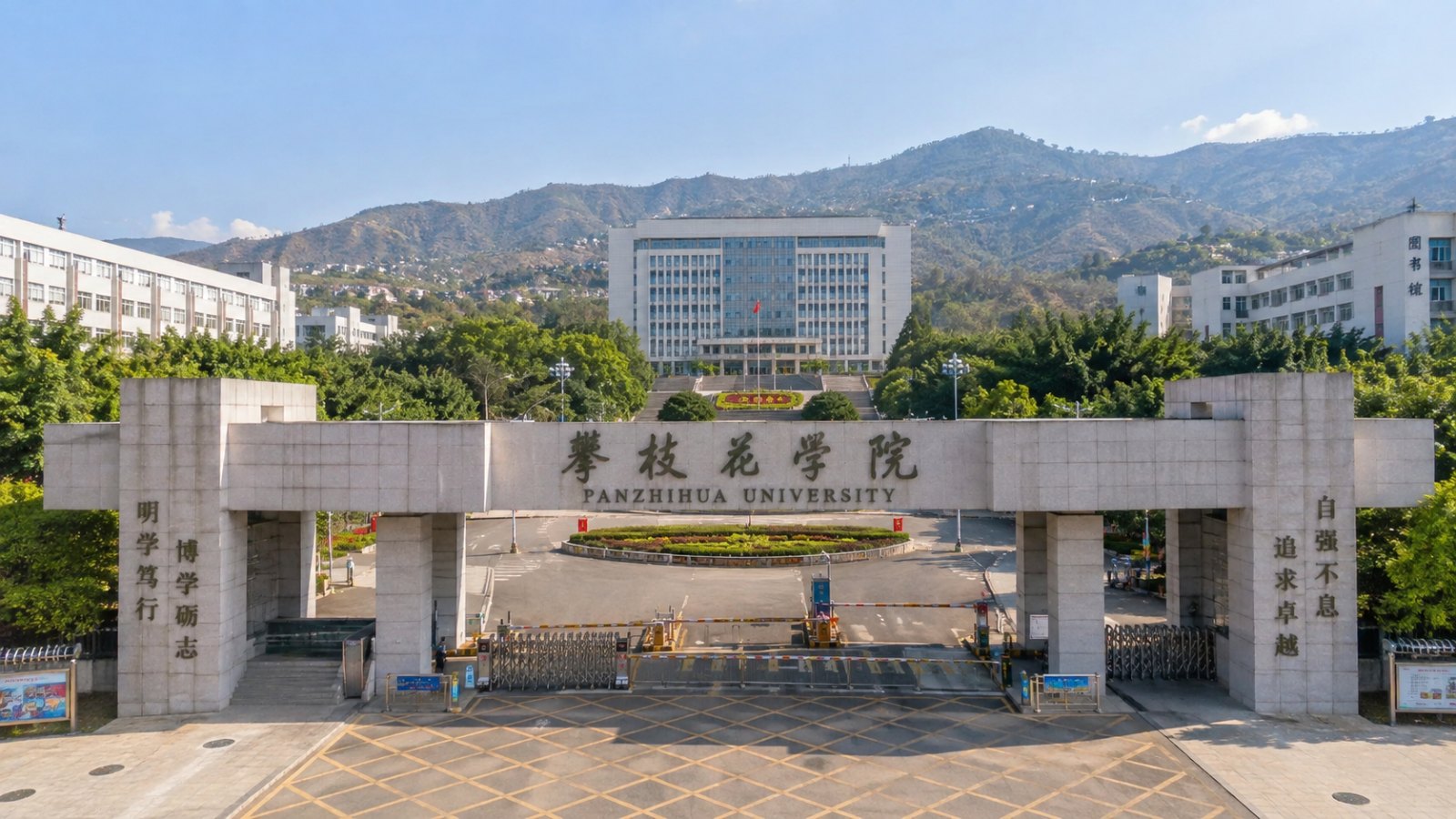
Panzhihua University
September 2026 to March 2027 — preparatory term
¥4,500
≈ $675
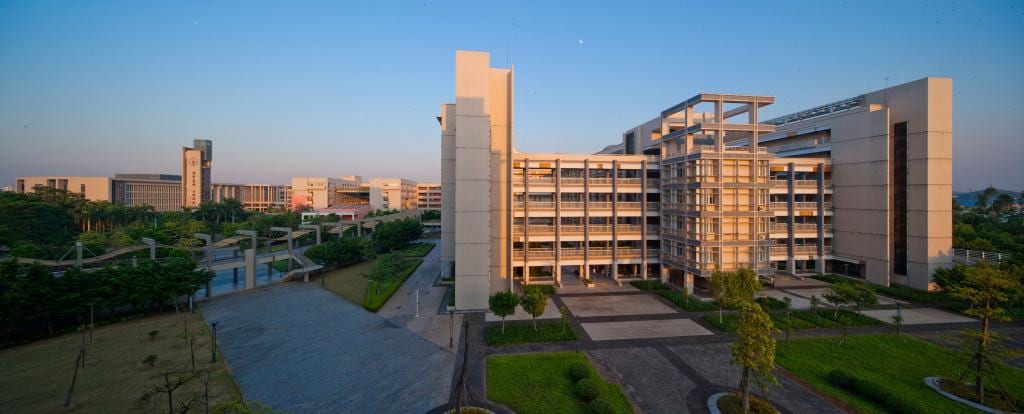
Partner university
Per year
¥2,500
≈ $375
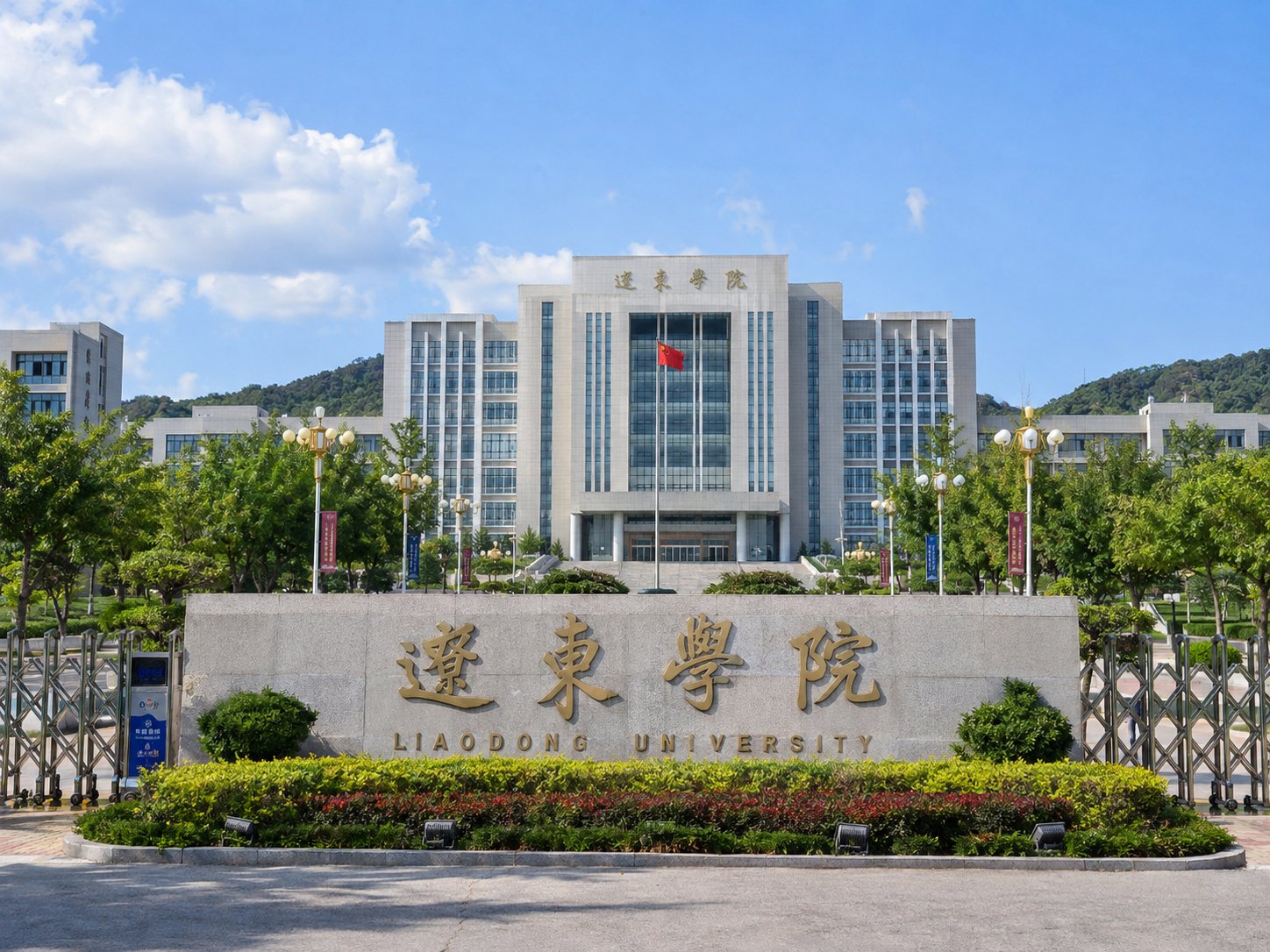
Partner university
Type A — first class
¥4,500
≈ $675
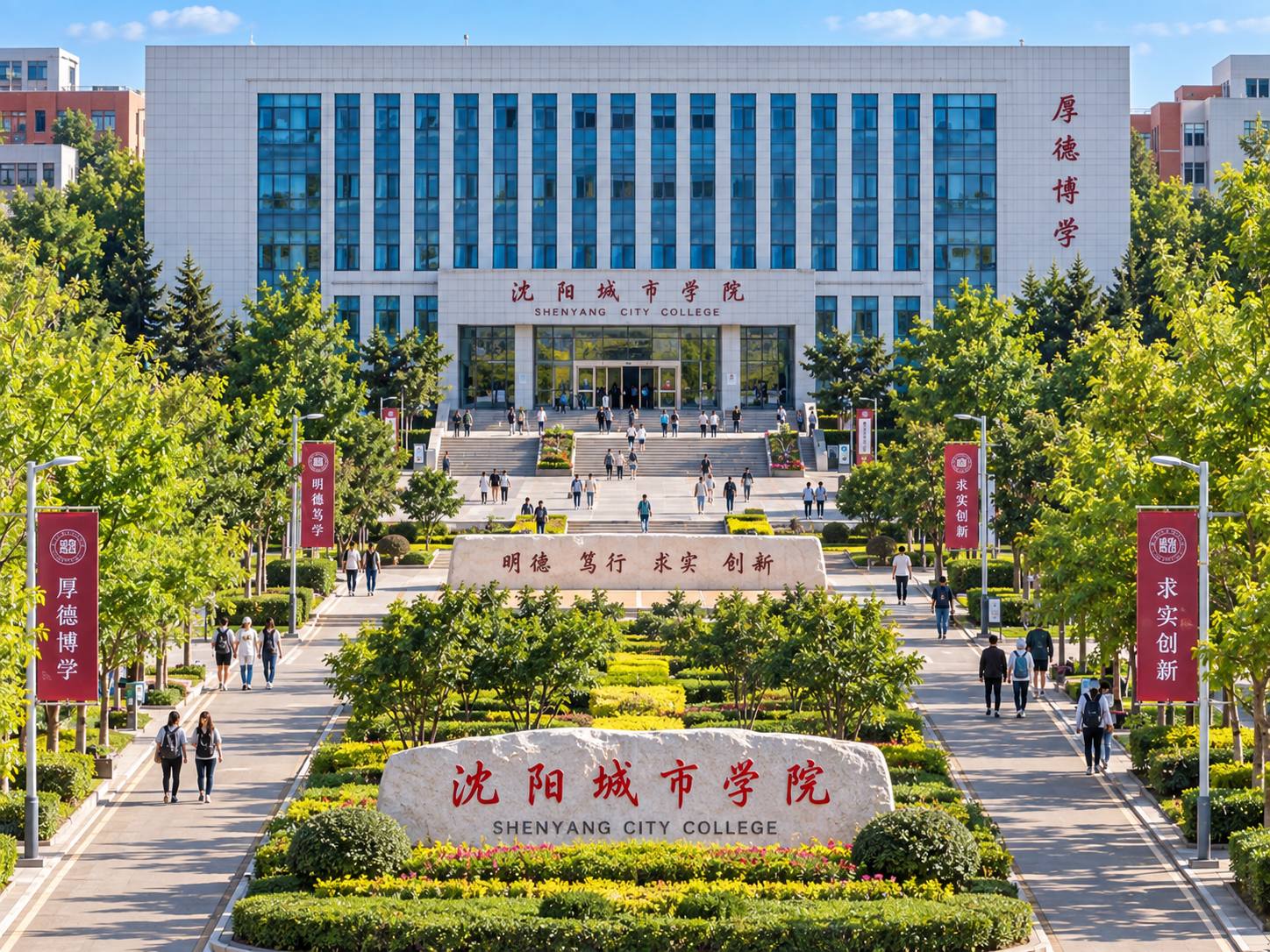
Shenyang City College
Per year — after scholarship
¥8,000
≈ $1,200
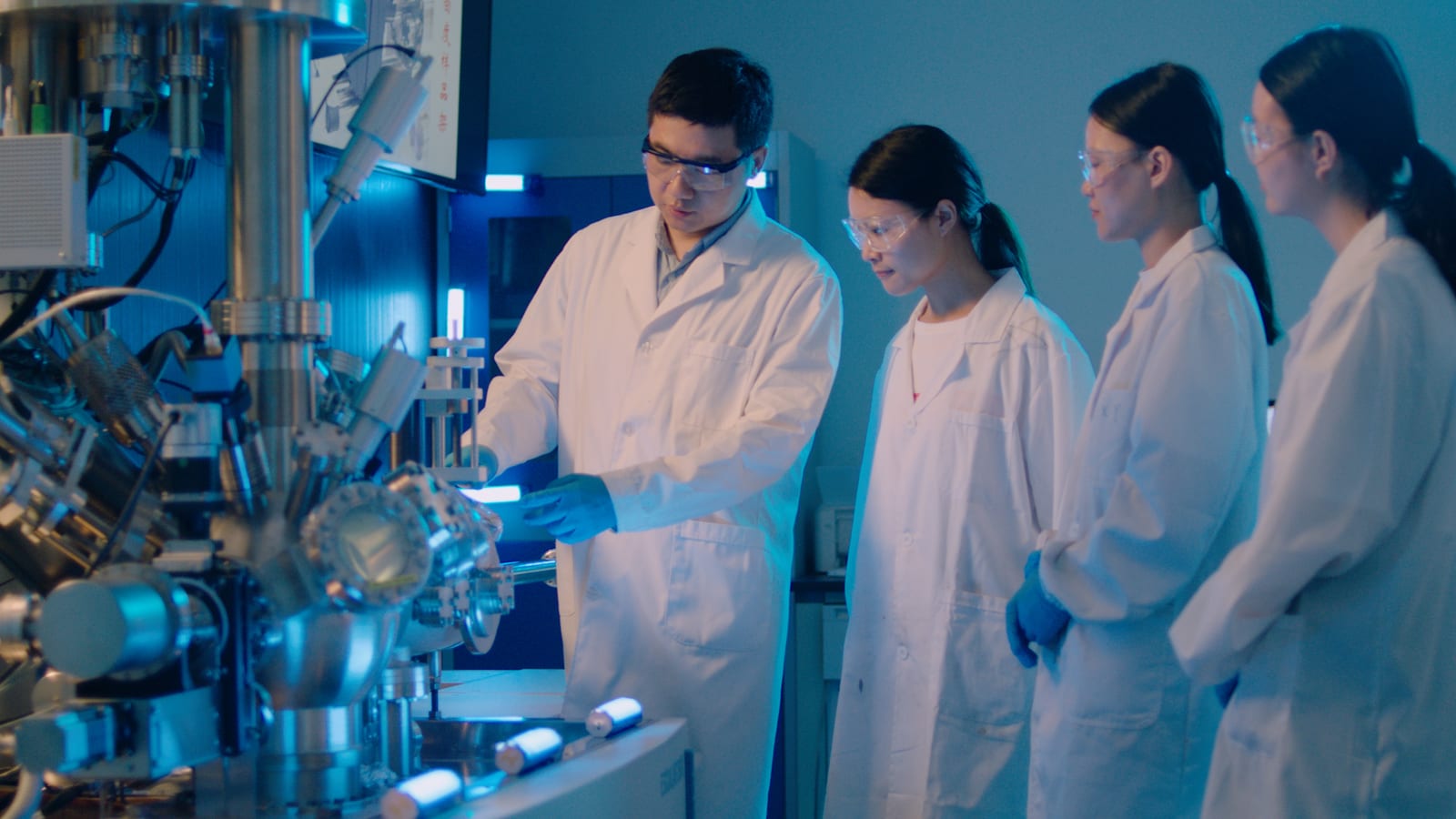
Partner university
First year
¥8,000
≈ $1,200
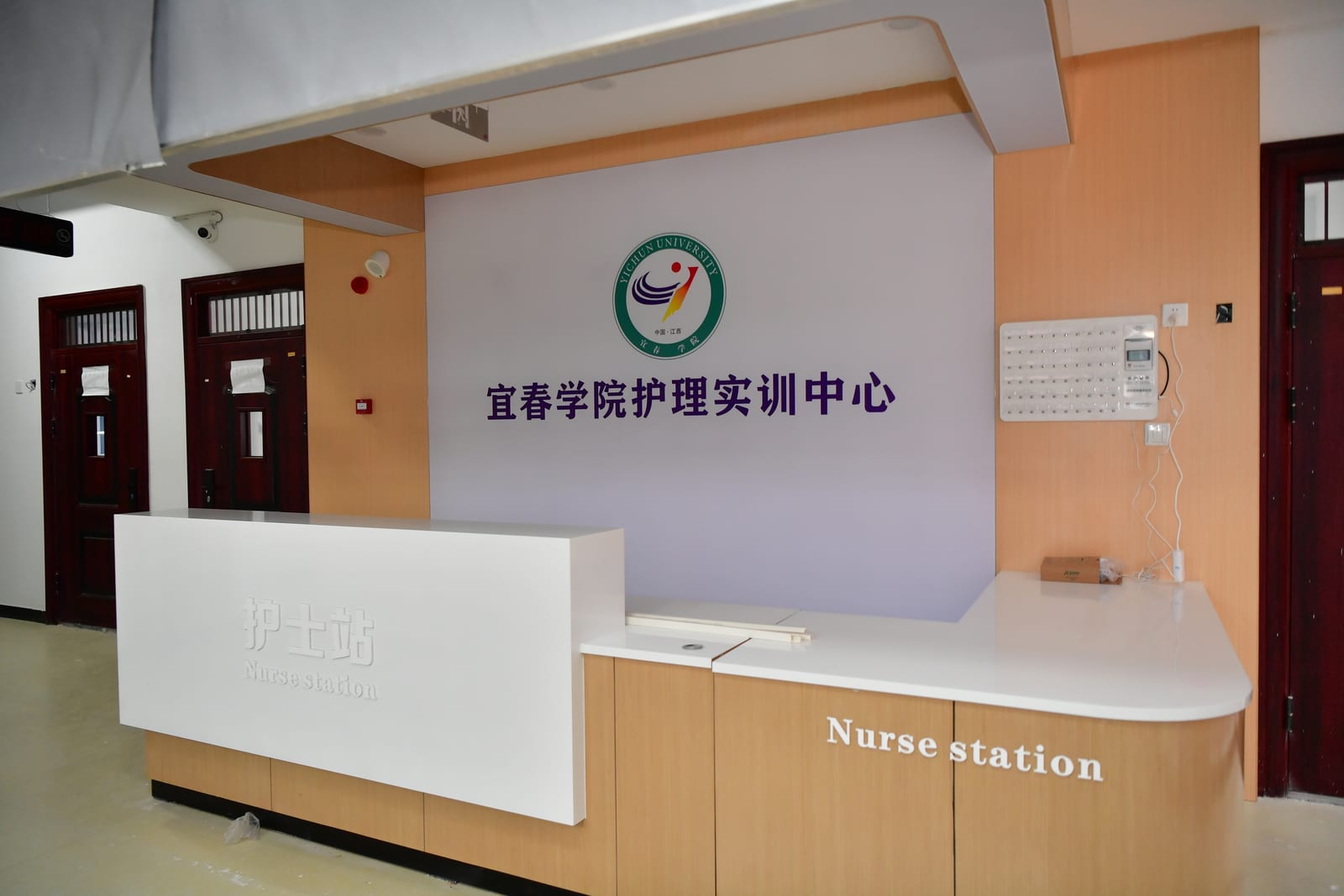
Partner university
Pharmacy — per year
¥13,000
≈ $1,950
Partner university
Cost to you
Fully funded
Bachelor
Partner university
China
Partner university
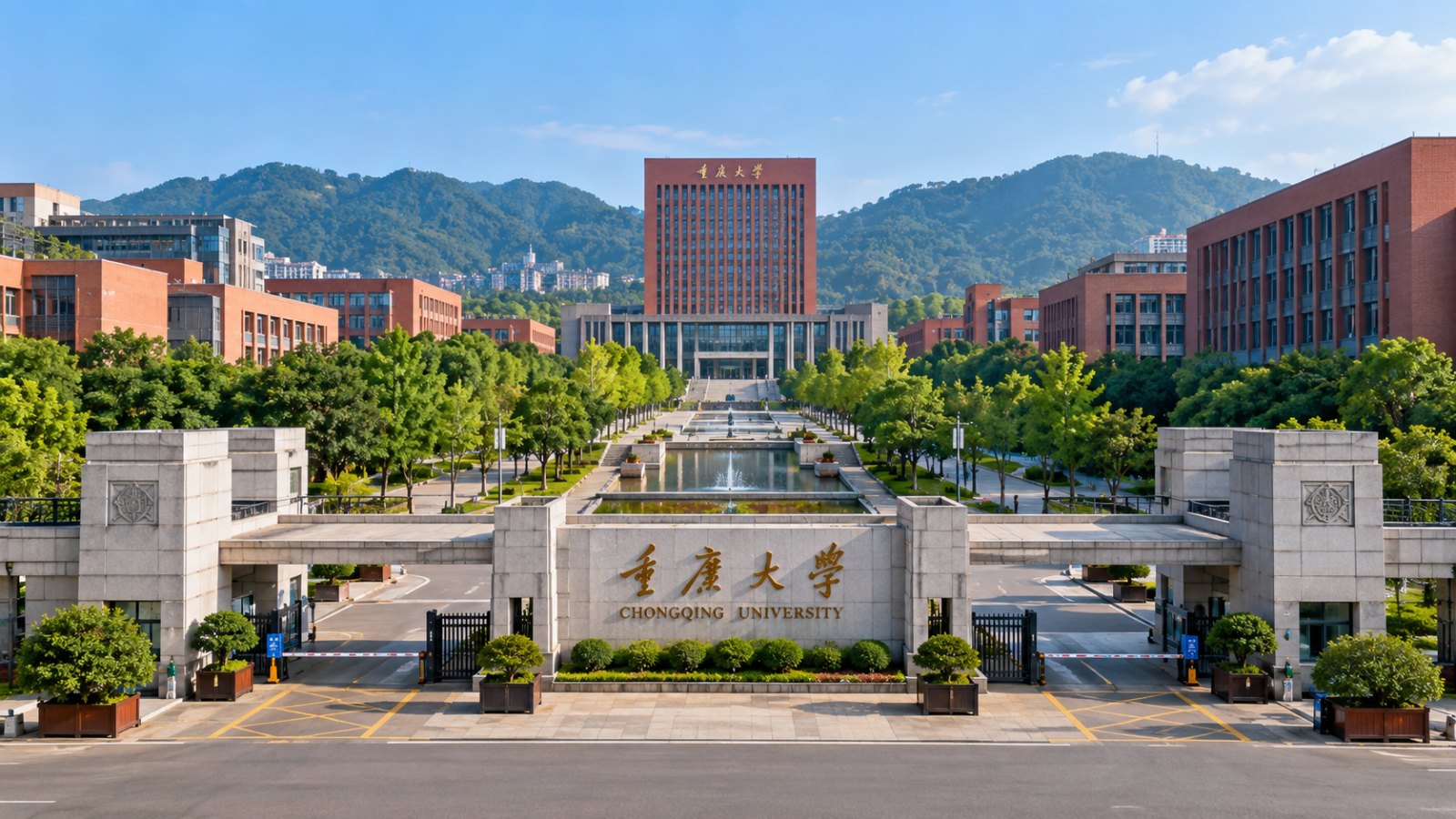
Chongqing University
Per semester
¥6,400
≈ $960
Partner university
Per year, after the scholarship
¥10,500
≈ $1,575
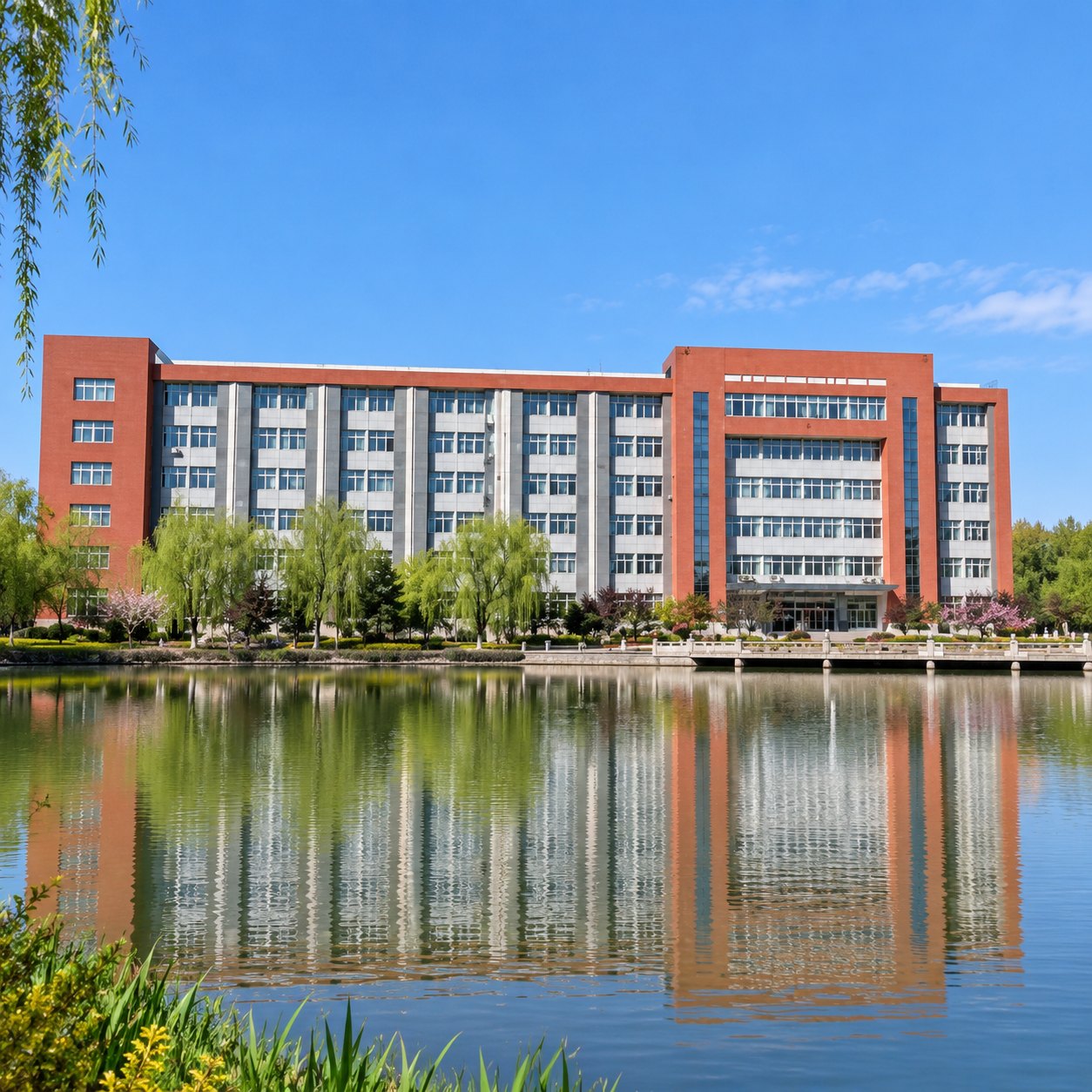
Partner University, Anyang
Per year (before scholarship)
¥13,000
≈ $1,950
Language
Partner university, Hunan
Hunan
Partner university, Hunan
Per year
¥11,000
≈ $1,650
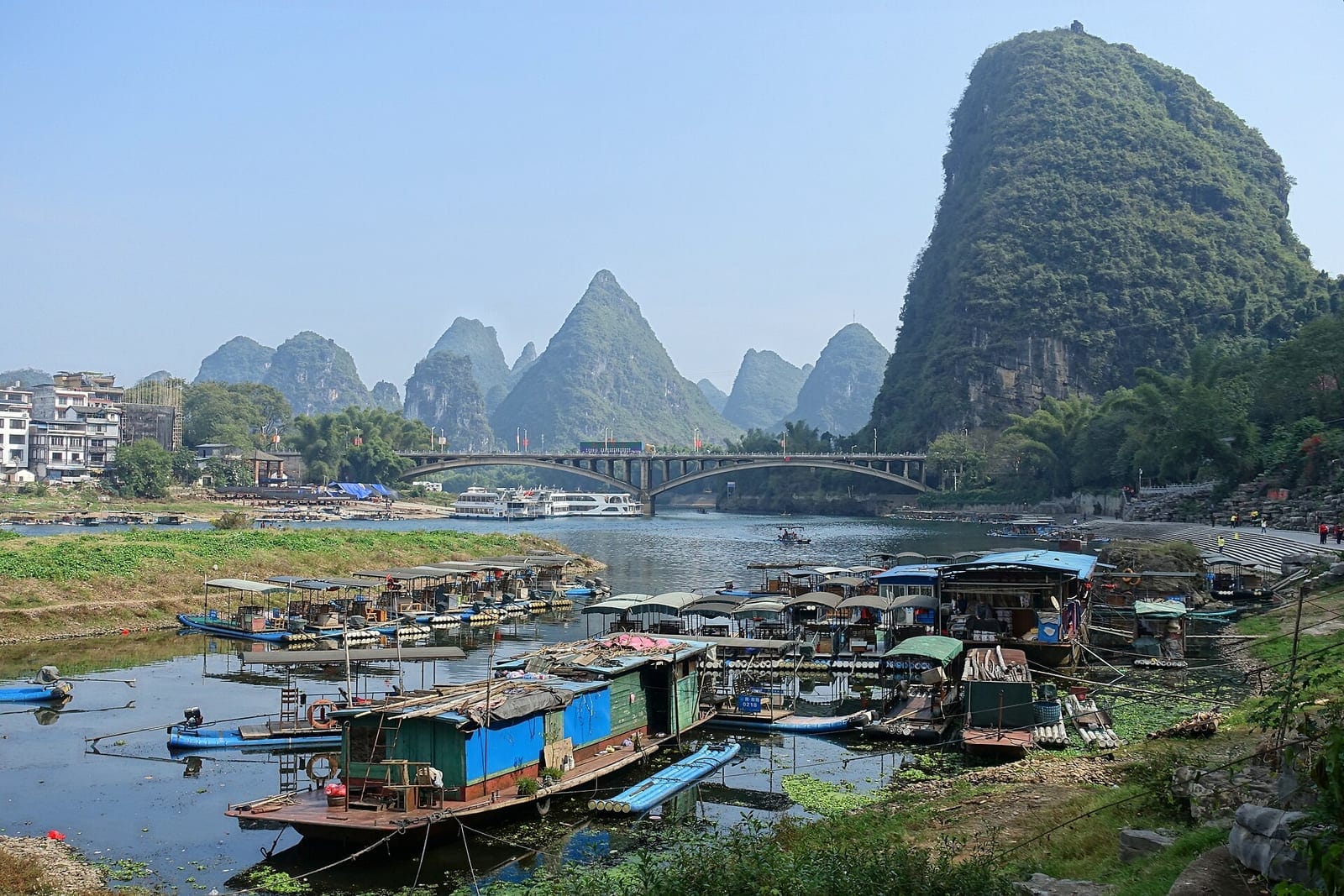
Partner university, Guangxi
Covered by the scholarship
Fully funded
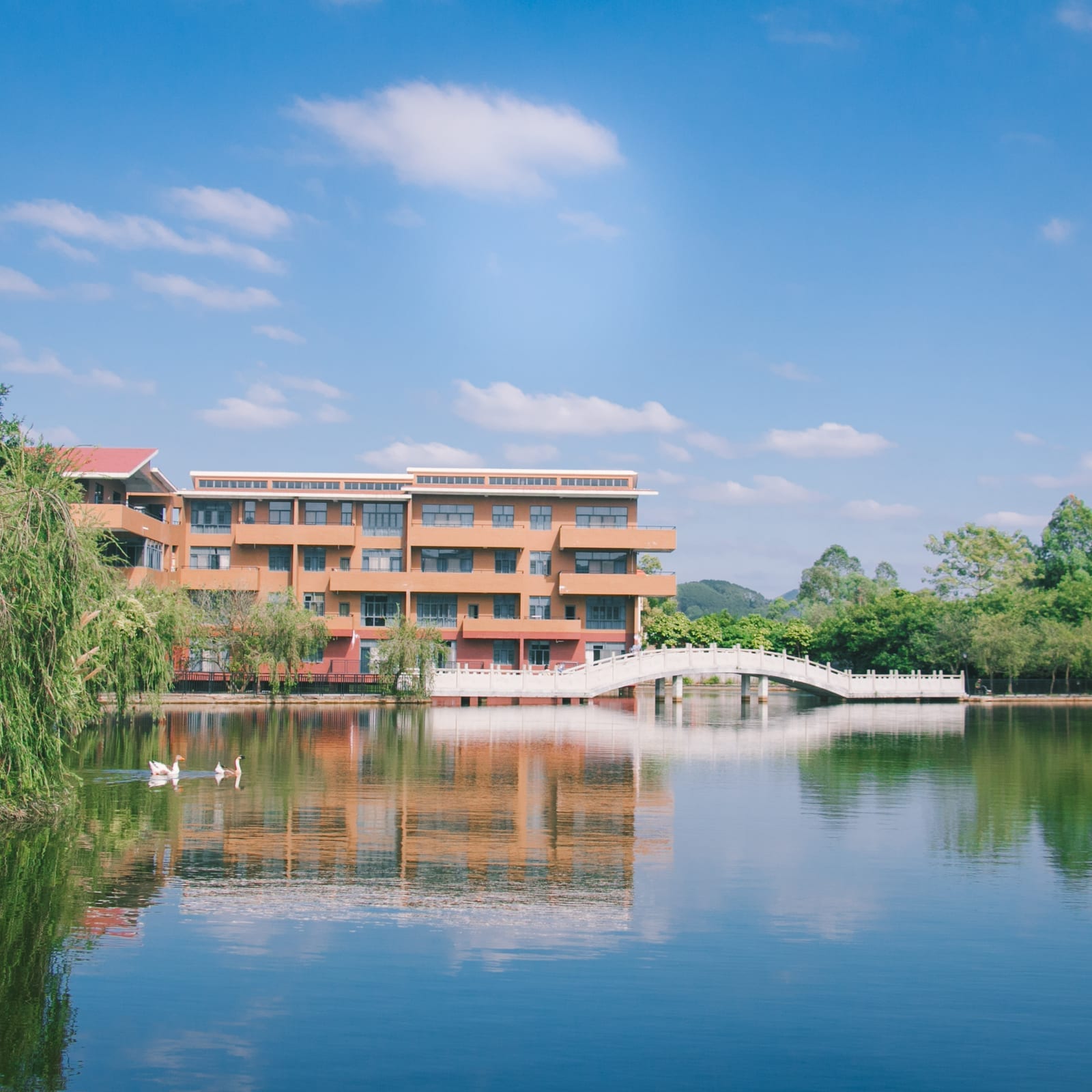
Guangzhou College of Commerce
Per semester — after scholarship
¥6,000
≈ $900
Partner University — Graduate Programmes
Master's programme
¥12,000
≈ $1,800
Master
Partner university
China
Partner university
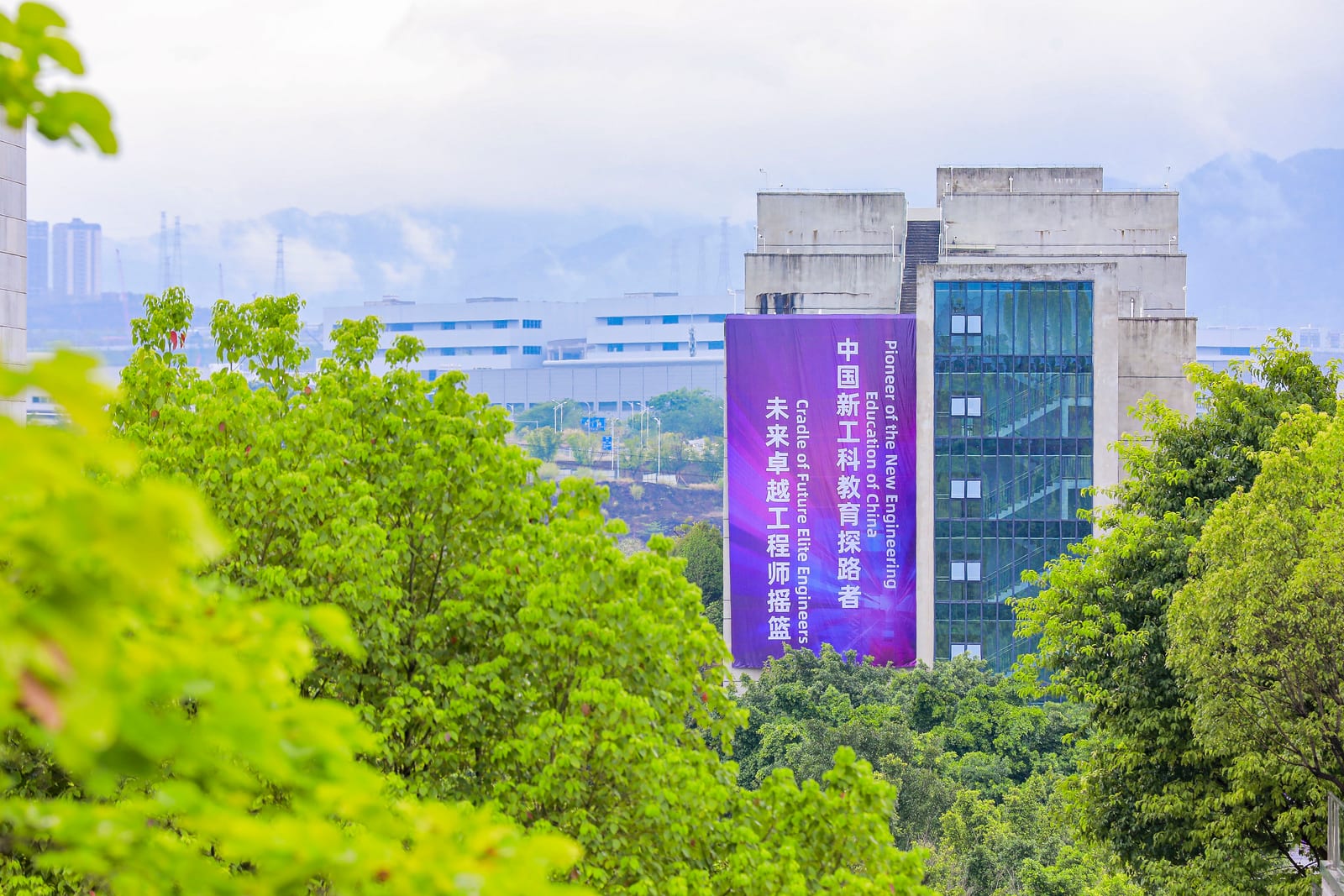
Partner University — Graduate Programmes
PhD programme
¥14,000
≈ $2,100
Common questions
Four routes fund international students in China, and they do not all demand top marks. Open the one you are asking about.
The main government scholarship for international students, administered by the China Scholarship Council. Applications go through a university or through the Chinese embassy, and competition is genuinely strong.
What it covers
Who can apply
Application windows usually open between January and April for the September intake, and differ by university and embassy. Ask us for this year's dates.
A scholarship stream aimed at students from Belt and Road partner countries, Pakistan among them. It sits within the Chinese Government Scholarship programme and is awarded through participating universities.
What it covers
Who can apply
Set by each participating university, generally alongside the main CSC round. Ask us which universities are open this year.
A scholarship aimed at students of Chinese language and teaching, rather than at degrees in other subjects. It is the usual route for someone who wants to study Chinese seriously, or to qualify as a Chinese language teacher.
What it covers
Who can apply
Application rounds usually run from spring for an autumn start, and vary by host institution. Ask us which institutions are open this year.
Individual provinces fund their own scholarships to attract international students. Jiangxi province, where Yichun University sits, runs one of these. Awards are smaller than CSC but competition is lighter.
What it covers
Who can apply
Varies by province and usually follows the university's own admission timetable.
Most partner universities run their own awards, some on entry marks and some on performance once you are studying. Shanxi Medical University's performance scholarship is worth up to ¥15,000, and some of our nursing and bachelor places are funded in full.
What it covers
Who can apply
Applied for alongside your admission. Tell us your marks and we will say which awards are realistic.
Send us your marks and your budget. We will tell you which scholarships you can realistically get — and which ones are not worth the application fee.